

One of Matt’s lunches: green onion pancakes, beans, orange
I have mentioned, off and on, that in the wake of my visit to the dump we have been attempting to move our household toward zero waste. Apparently, like the biking, this is now a happening thing. (Since when am I tuned into the zeitgeist?) The City and County of San Francisco has the same zero waste goal, scheduled for 2020.
People approach zero waste in different ways. The easiest definition of zero-waste is to send nothing into the landfill. There is sometimes an assumption that substituting recyclable packaging is fine. I didn’t make that assumption. Evidently I like to make things difficult for myself.

This is a pretty typical haul from the cheese shop: hummus, salad cheese, crackers.
I’ve since learned that we started somewhat ahead of the average American household. We swapped paper towels out for rags long ago and have always used cloth napkins and reusable lunch containers. But we now shop exclusively with cloth bags and our own glass jars, and we have become the kind of people who bring our own tableware to restaurants that use disposables. None of these changes was especially difficult, although it felt weird to do something different at first.
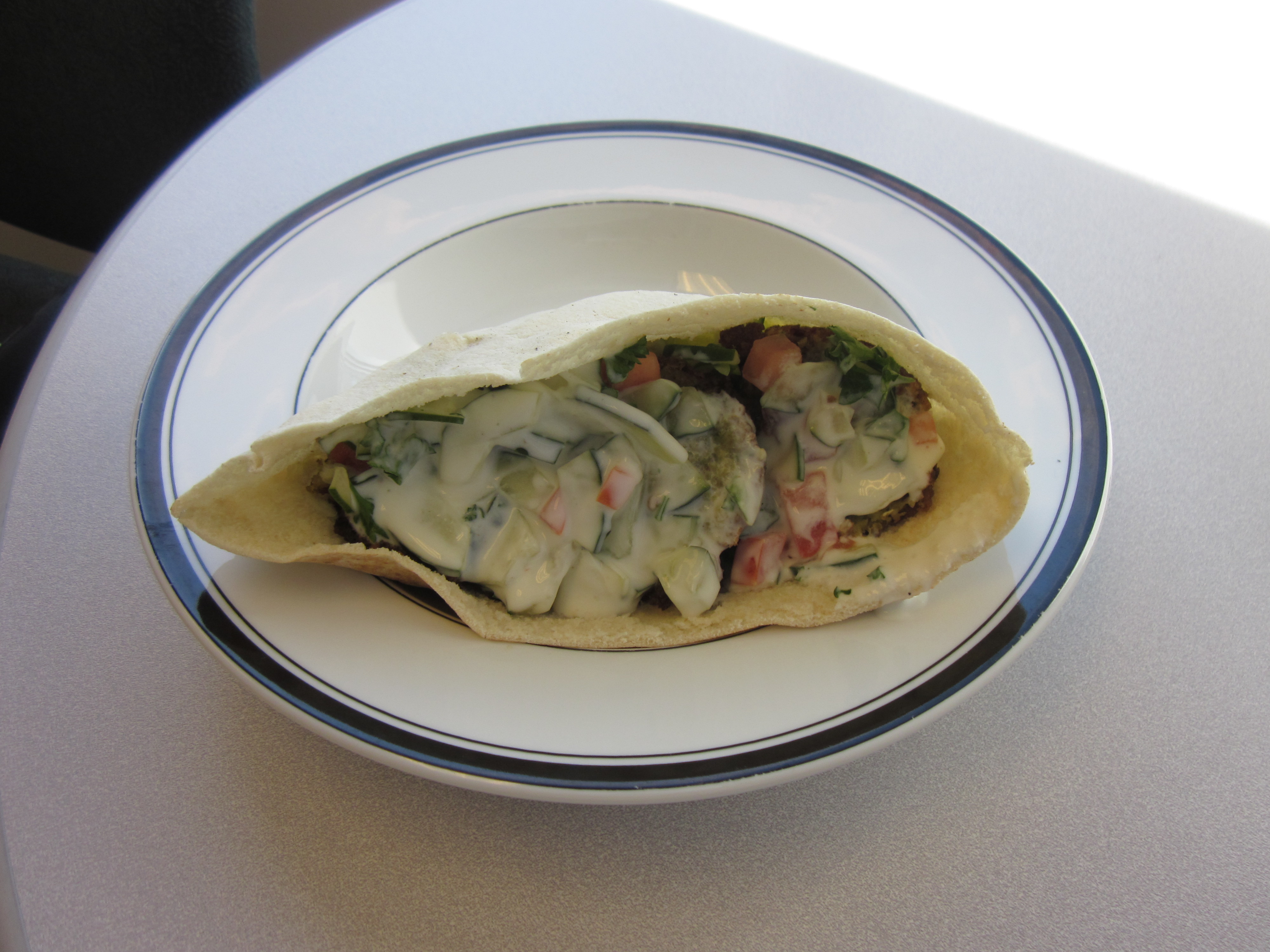
I go to the cafeteria once every two weeks, but my plate is recognized nonetheless.
Zero waste efforts make you instantly recognizable. When I walk into the office cafeteria with my china plate, the sandwich guy immediately starts heating up falafel. When I go by the local cheese shop, the owner waves (“Look, it’s the woman who brings her own beeswax wrappers! On a bike!”) It can feel a little like the over-examined life. Mostly it’s good, though.
Sending as little as possible to the landfill (in San Francisco, the black bin) is a given in a zero waste household. Here in San Francisco, that means all soft plastics are basically out. Although Recology will take rigid plastics in the recycling bin, virtually all “recycled” rigid plastics are down-cycled—they get one more use as lumber or fleece then go directly to the landfill. So we don’t buy those either.

This was a week of landfill-bound waste last month, but it’s dropped since then.
Our progress on landfill-bound waste has been pretty dramatic; most weeks, it easily fits into one of the old quart-sized Ziploc bags I keep finding around the house even now. Most of what’s left is preschool foam sticker art (which is being very slowly phased out at our request) and medical waste (e.g. bandages the kids come home with, and my new waste-nemesis, dental floss).
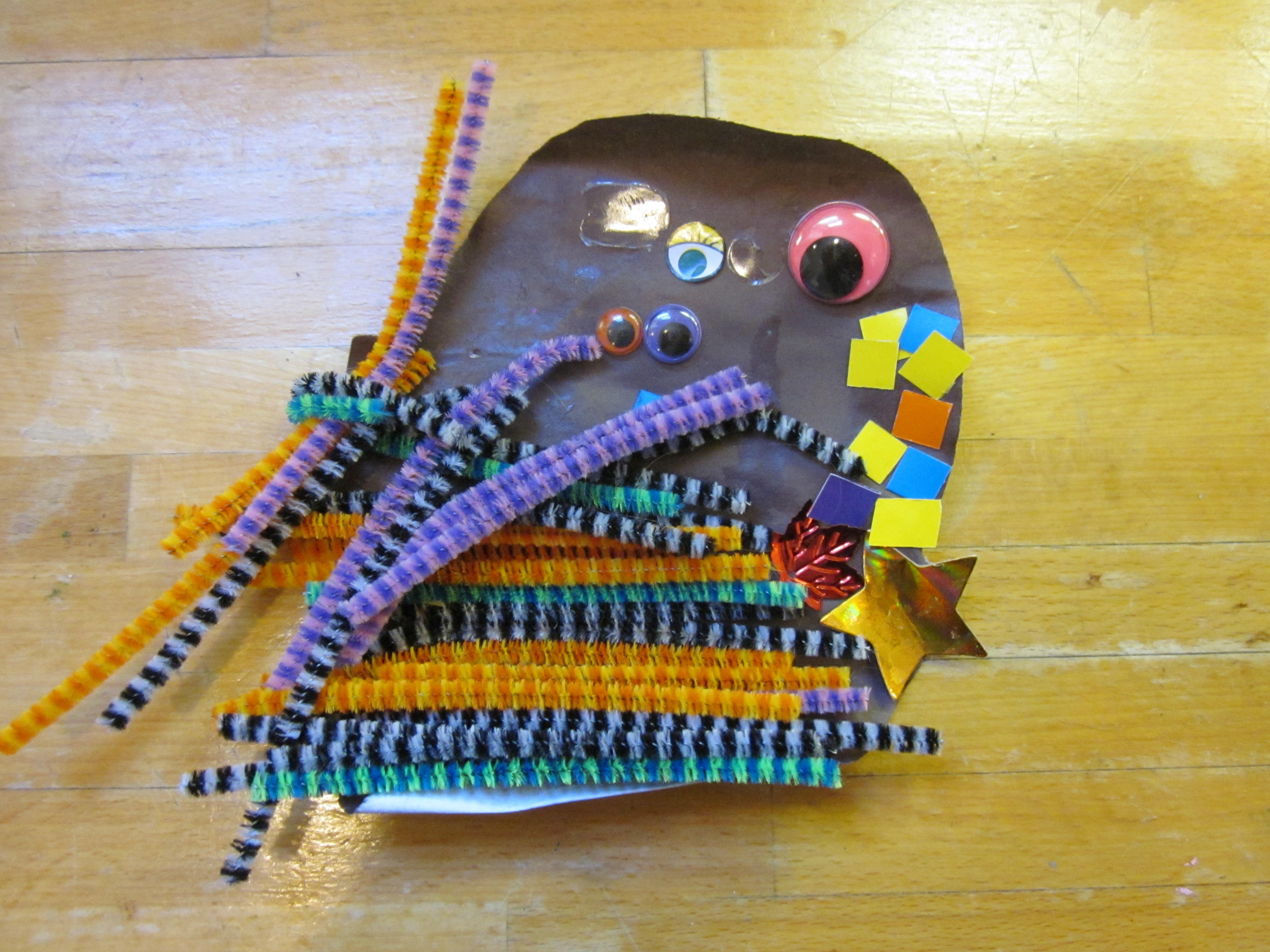
Sustainable preschool art is a continuing battle.
After my visit to Recology, I also viewed recycling (the blue bin) as a last-resort option. Recycling is energy-intensive at best and involves massive transportation costs because most recycling on the west coast is sent to China. And although paper can be recycled a few times, it degrades to a lower quality product each time–printer paper to paper bags to toilet paper– then it goes to the landfill too. Glass and metal are really recycled, but expensive to melt and reform. But when there appear to be no other alternatives, glass, metal, and low-quality compostable paper are the types of packaging we choose.
Minimizing our recycling has been very hard. We both have office jobs, our kids come home with papers from school, and junk mail is horribly persistent. However we are definitely producing less: on a good week our recycling barely covers the bottom of the blue bin.
Happily, composting (the green bin) is universally acclaimed. San Francisco has municipal compost pickup so we were already keeping food waste separated, but we started including odds and ends we hadn’t previously realized we could compost (e.g. hair, dryer lint, floor sweepings, waxed-paper butter wrappers). Food-soiled paper is compostable as well. We’re not yet at the point that I begrudge an occasional pizza box.

This is part of the “jar” section of Rainbow Grocery’s bulk zone: miso, tahini, nut butters, salsa.
However we don’t buy processed food because virtually none of it can be bought in bulk (this is evidently a quick way to lose weight). I find myself getting irritable when manufacturers expect me to take responsibility for dealing with their packaging or things they make that break. I wonder now why I once accepted the responsibility for disposing of whatever a retailer chose to throw at me. And it seems crazy, after only a few months, to buy something in a container that is used only once, to carry an item from one place to another, after which the container is put in a landfill until roughly the end of time. It is something I had never considered before this year, and now it seems like madness.
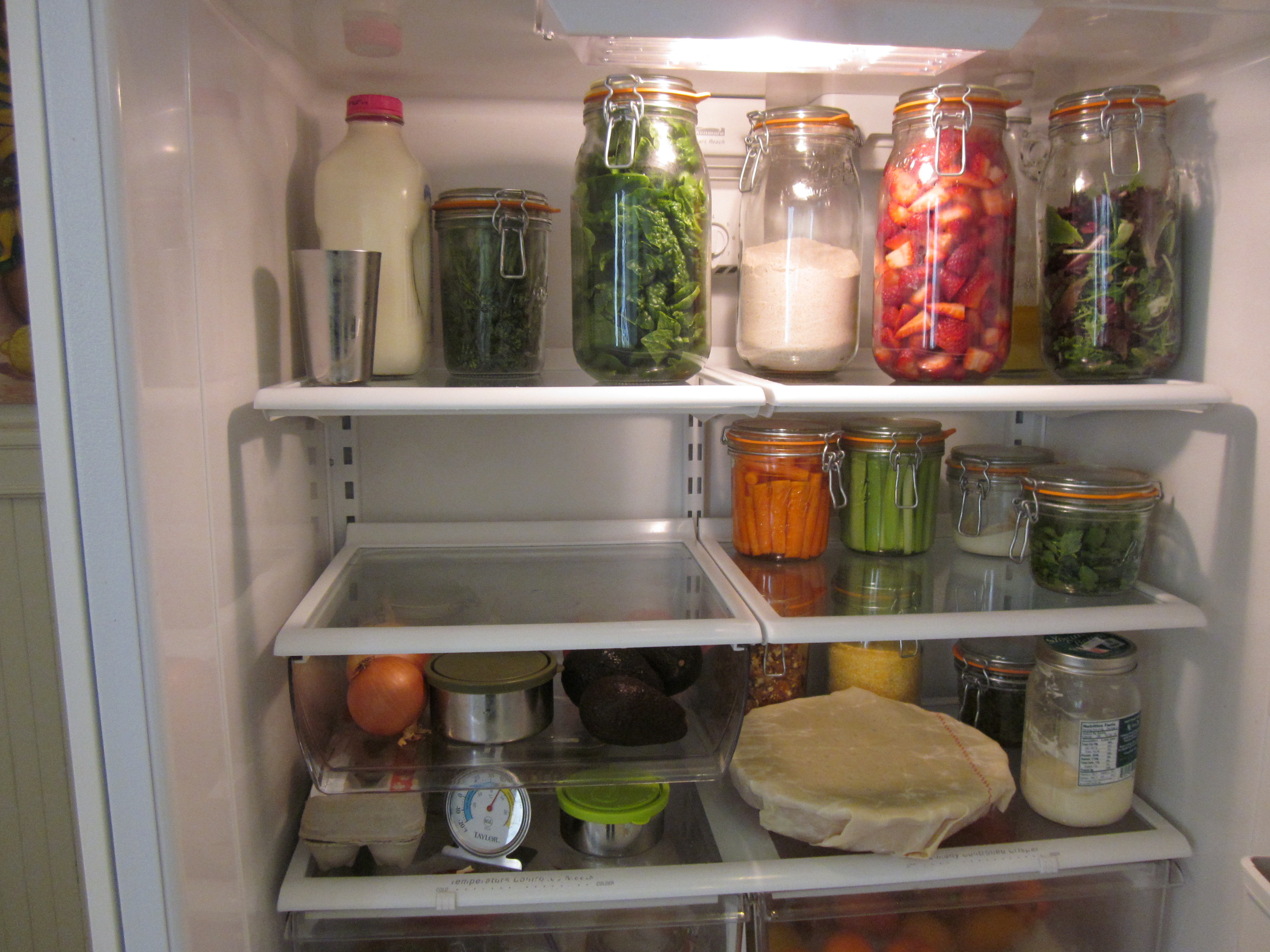
I’ll say this, though: our fridge looks awesome.
Overall we’re getting pretty crunchy over here, which honestly has never been a personal aspiration. The homesteading, back-to-the-land ethos of traditional hippies appeals to an urbanist like me about as much as firewalking. So I have been surprised at the response of people when they see me shopping, which is largely fascination. I’m frequently quizzed: “How do you store greens?” (Answer: in a glass jar in the fridge, they keep for over a week that way. Berries, too.) The idea of reducing waste seems universally appealing. I’m not really sure why.
This is not something we can do all at once. The bathroom is still challenging—contact lens solution, toothbrushes, toothpaste, dental floss. Matt and the kids pick up a lot of disposable packaging when they go out solo. There is a lot of meal planning. It’s a change, and change can be hard. Even so I feel no urge to go back to the way we were.

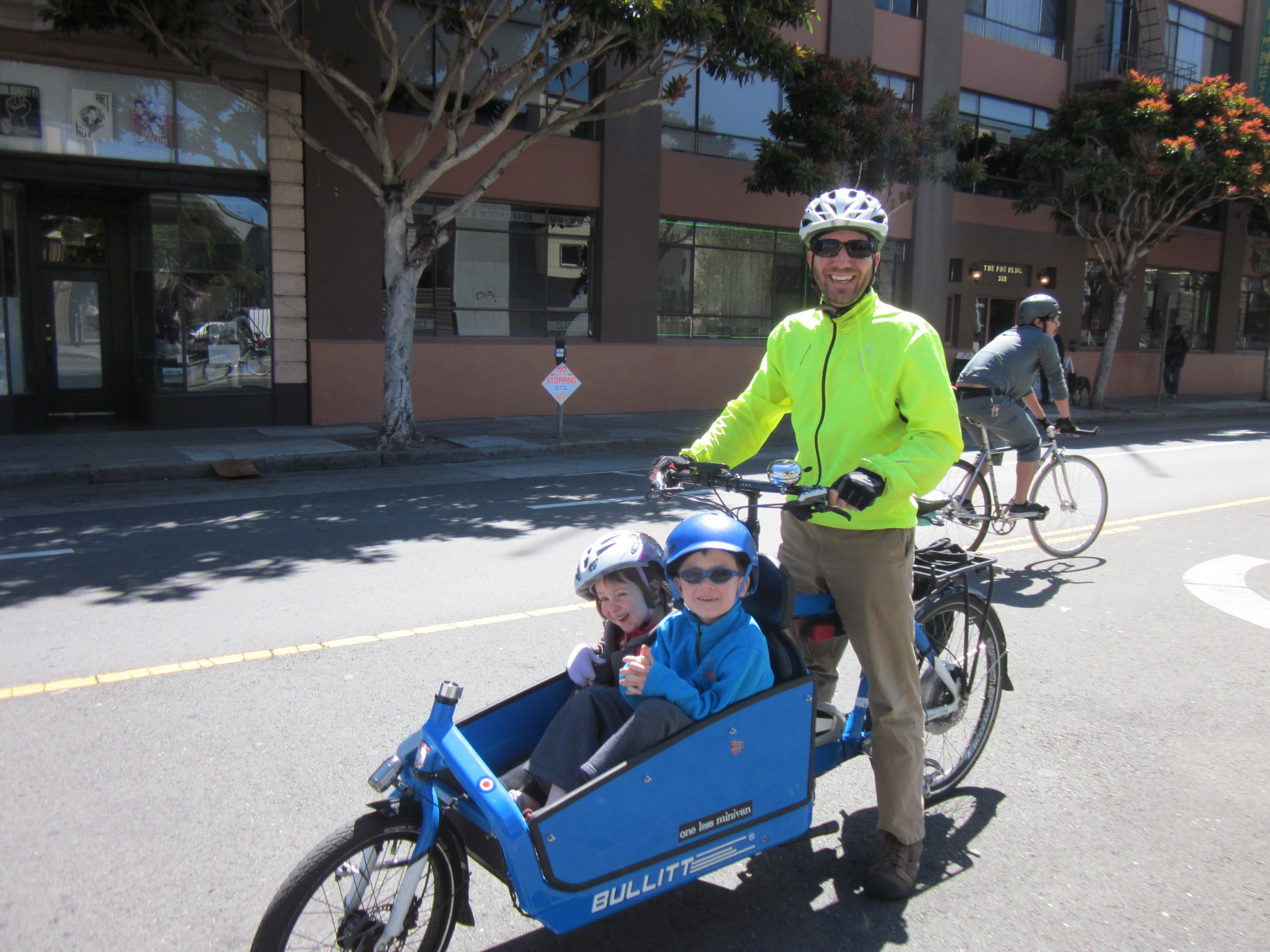









 Hum of the city